
CABG Bypass Surgery: A Doctor’s Perspective for Heart Patients
As a Cardiologist, sharing what I tell my patients in real-life consultations
As a cardiologist, one of the most common questions I hear from patients and their families is
“Doctor, do I really need bypass surgery?”
The thought of heart surgery can be frightening. Many patients come to me anxious, confused, and overwhelmed after hearing terms like blockages, angiogram, stents, or bypass. Through this blog, I want to explain CABG surgery in a simple and honest way, just as I would explain it to my patients in my clinic.
What Is CABG Surgery?
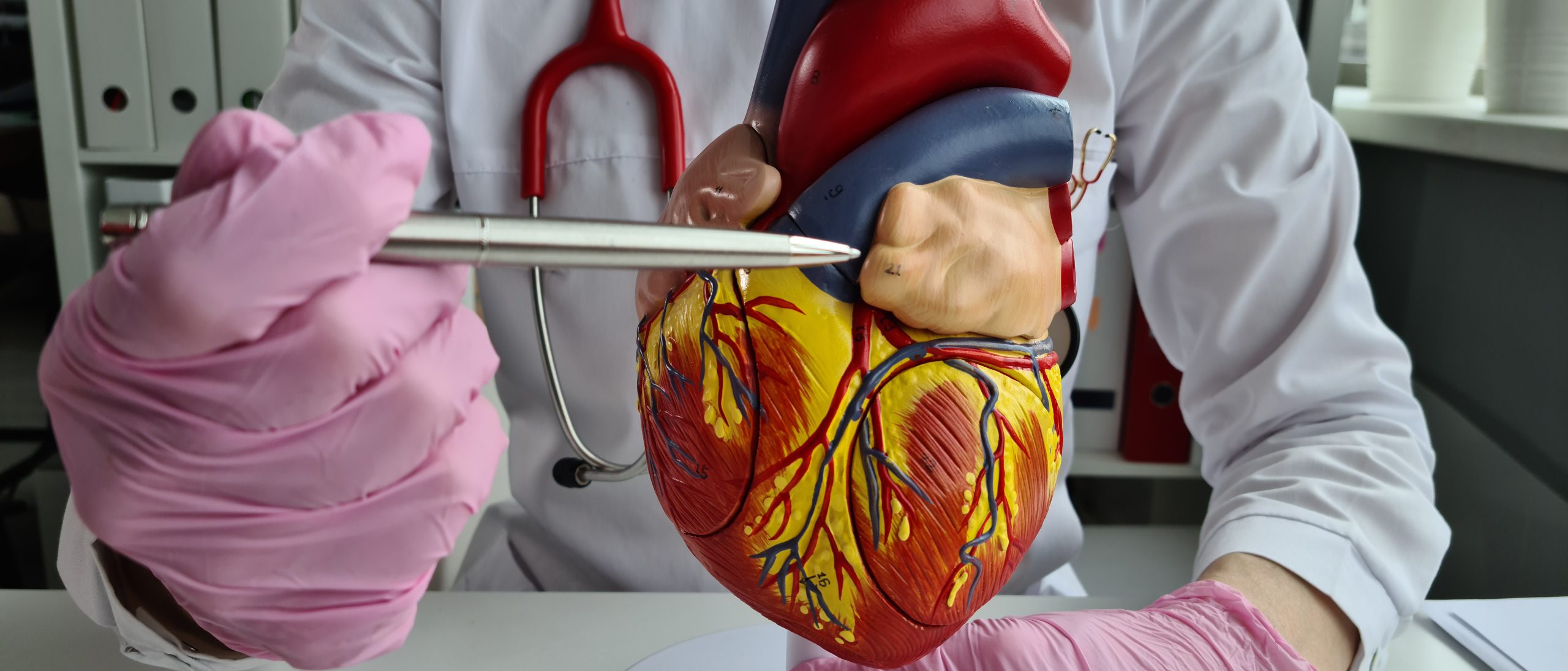
CABG (Coronary Artery Bypass Grafting) is a surgical procedure done to improve blood flow to the heart muscle.
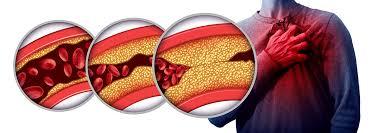
When the coronary arteries, the blood vessels supplying the heart, become narrowed or blocked due to cholesterol deposits, the heart does not receive enough oxygen-rich blood. This can lead to:
- Chest pain (angina)
- Breathlessness
- Heart attacks
- Reduced heart function
In CABG surgery, the surgeon creates a new pathway (bypass) for blood to flow around the blocked artery using a healthy blood vessel taken from:
- The chest (internal mammary artery)
- The leg (saphenous vein)
- The arm (radial artery)
This allows blood to reach the heart muscle smoothly again.
When Is CABG Surgery Recommended?
Not every heart patient needs bypass surgery. Many can be treated with medicines or stents. However, CABG is usually advised when:
- There are multiple severe blockages
- The left main coronary artery is blocked
- Blockages are long or calcified
- Previous stents have failed
- The patient has diabetes with multivessel disease
- Heart function is already reduced
The final decision is always taken after reviewing the angiogram, symptoms, age, lifestyle, and overall health of the patient.
How Is CABG Surgery Performed?
CABG is done under general anesthesia and usually takes 3–5 hours, depending on the number of bypasses needed.
In simple terms, the process includes:
- Opening the chest to access the heart
- Harvesting healthy blood vessels
- Creating bypass grafts around blocked arteries
- Restoring normal blood circulation
Today, many centers also perform off-pump bypass surgery, where the heart continues to beat during the procedure, helping in faster recovery for selected patients.
Life After Bypass Surgery
One important thing I tell every patient is,
Bypass surgery is not a cure; it is a second chance.
After CABG, patients usually experience:
- Relief from chest pain
- Better exercise tolerance
- Improved quality of life
However, long-term success depends heavily on:
- Controlling diabetes and blood pressure
- Quitting smoking
- Healthy diet
- Regular walking or exercise
- Taking medicines consistently
- Periodic cardiac follow-ups
Many of my patients go on to live active, meaningful lives for decades after bypass surgery.
A Cardiologist’s Perspective
From my experience, bypass surgery is not just a medical procedure; it is an emotional journey for the patient and their family.
I have seen fear turn into relief, anxiety into confidence, and weakness into strength. With proper guidance, timely surgery, and lifestyle discipline, CABG can truly be life-saving.
Through cardiologists Hyderabad, this platform is created so that cardiologists can openly share:
- Real patient experiences
- Clinical learnings
- Ethical challenges
- Emotional moments from practice
- Medical insights in simple language
This space is meant to be honest, human, and helpful, not overly technical, just doctors speaking from experience.
If you or your loved one has been advised to undergo bypass surgery, do not panic. Speak openly with your cardiologist, understand your condition, and make informed decisions.